The Great Wall of China winding through misty mountains at sunrise
The Complete China Travel Guide

Everything You Need to Plan an Unforgettable China Trip

Honest, in-depth guides written by local experts who live and breathe China. From the Great Wall to the Li River — destinations, itineraries, practical tips, and private tours crafted for Western travelers.

Destinations

Where to Go in China

China is vast — roughly the size of the United States. Rather than trying to see everything, focus on 3-4 destinations per trip. Here are the places we recommend most for first and second-time visitors.

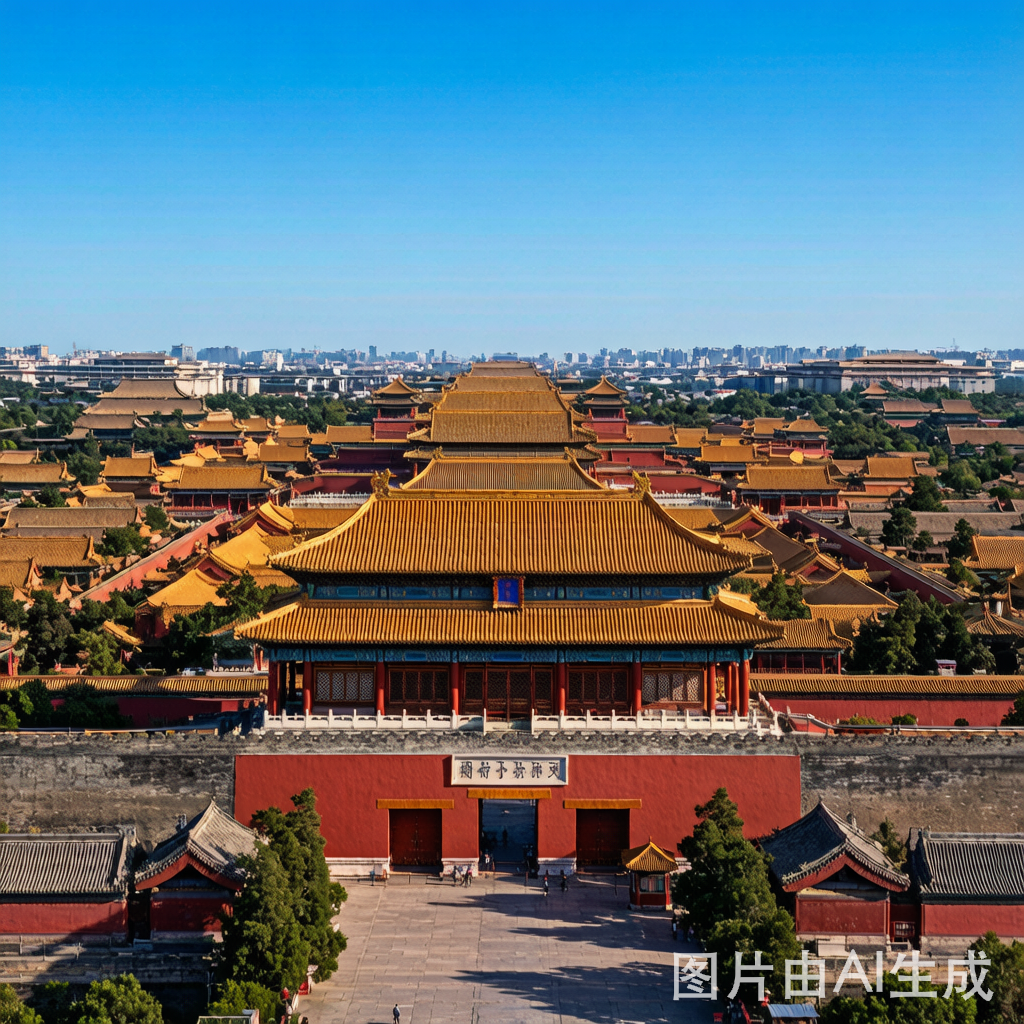
Beijing — China's capital for most of the past 800 years, Beijing is where imperial history meets 21st-century ambition.

Beijing

China's capital for most of the past 800 years, Beijing is where imperial history meets 21st-century ambition.

Top Sights:
Great Wall (Mutianyu), Forbidden City, Temple of Heaven, Hutong alleyways, Summer Palace, 798 Art District
Best For:
First-time visitors, history buffs, culture seekers
Duration:
3-4 days recommended
Explore Beijing
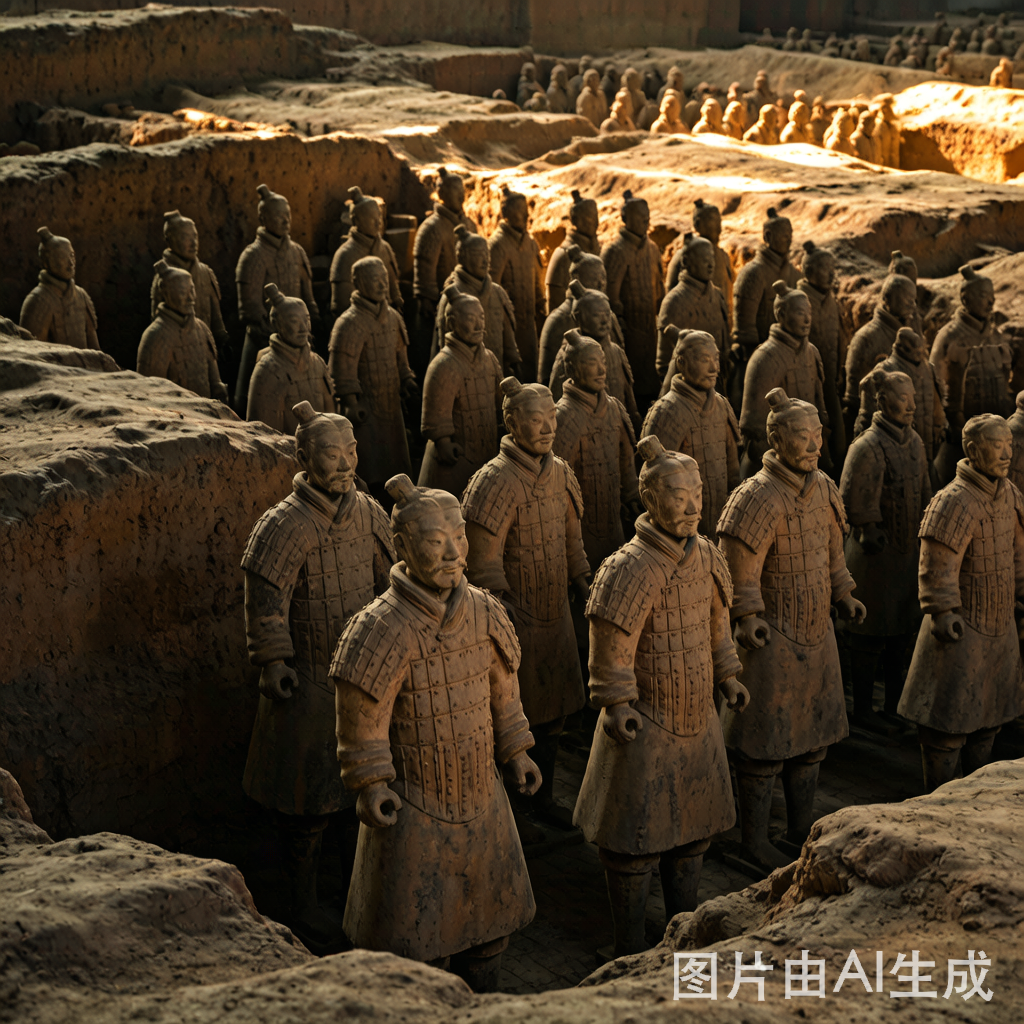
Xi'an — The eastern terminus of the Silk Road and capital of 13 dynasties, Xi'an is home to the legendary Terracotta Army.

Xi'an

The eastern terminus of the Silk Road and capital of 13 dynasties, Xi'an is home to the legendary Terracotta Army.

Top Sights:
Terracotta Warriors, Ancient City Wall, Muslim Quarter, Big Wild Goose Pagoda, Shaanxi History Museum, Great Mosque
Best For:
History lovers, foodies, Silk Road enthusiasts
Duration:
2-3 days recommended
Explore Xi'an
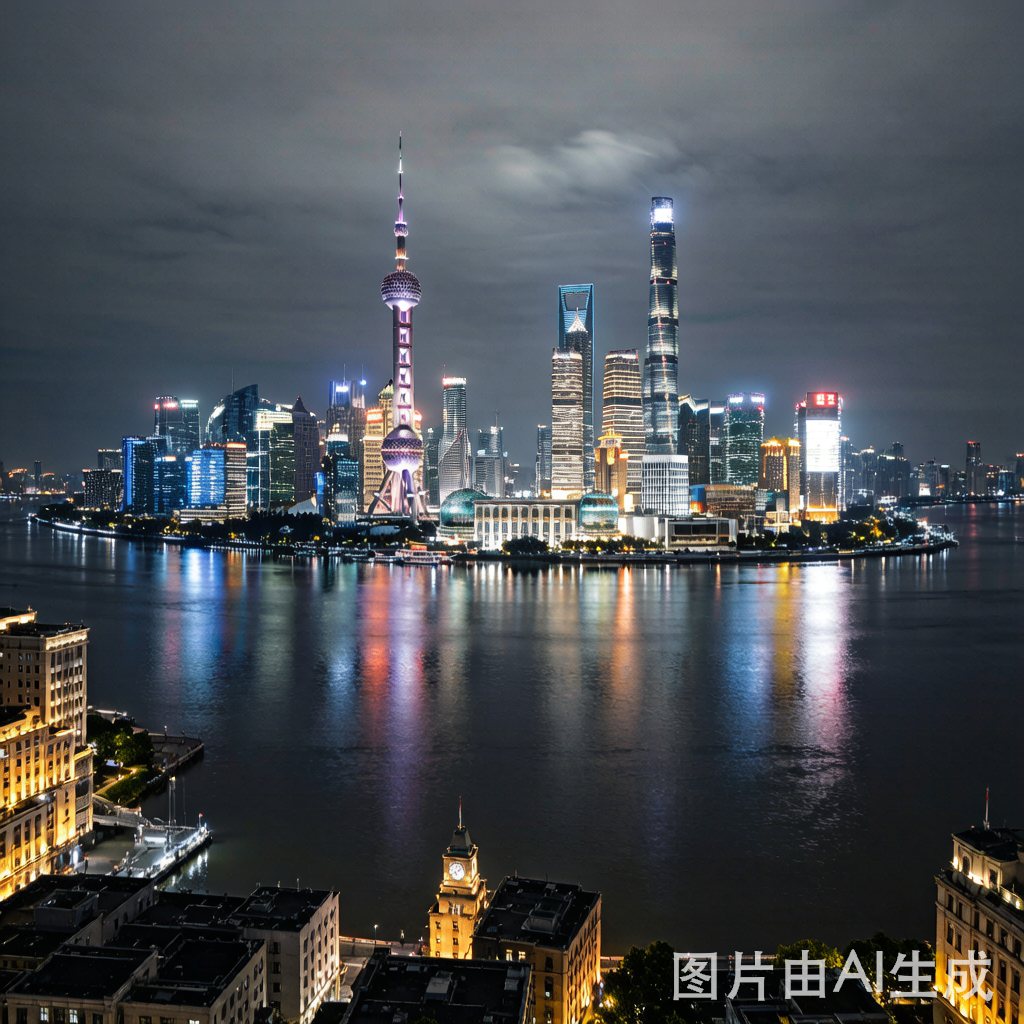
Shanghai — China's most cosmopolitan city — colonial-era Bund waterfront, futuristic Pudong skyline, and hidden lane houses.

Shanghai

China's most cosmopolitan city — colonial-era Bund waterfront, futuristic Pudong skyline, and hidden lane houses.

Top Sights:
The Bund, Yu Garden, French Concession, Shanghai Museum, Pudong skyline, Xintiandi
Best For:
City lovers, shoppers, foodies, first-time visitors
Duration:
2-3 days recommended
Explore Shanghai
Guilin & Yangshuo — The karst limestone landscapes along the Li River have inspired Chinese landscape painting for a thousand years.

Guilin & Yangshuo

The karst limestone landscapes along the Li River have inspired Chinese landscape painting for a thousand years.

Top Sights:
Li River cruise, Yangshuo countryside, Reed Flute Cave, Longji rice terraces, Moon Hill, Xingping old town
Best For:
Nature lovers, photographers, slow travelers
Duration:
3-4 days recommended
Explore Guilin & Yangshuo
Chengdu — Home of the giant panda, fiery Sichuan cuisine, and China's most relaxed teahouse culture.

Chengdu

Home of the giant panda, fiery Sichuan cuisine, and China's most relaxed teahouse culture.

Top Sights:
Panda Breeding Base, Jinli Old Street, Sichuan Opera, Leshan Giant Buddha, Wide and Narrow Alleys, Renmin Park teahouse
Best For:
Food lovers, wildlife enthusiasts, slow travel
Duration:
2-3 days recommended
Explore Chengdu
Zhangjiajie — Towering sandstone pillars rising from misty valleys — the real-world inspiration for the floating mountains in Avatar.

Zhangjiajie

Towering sandstone pillars rising from misty valleys — the real-world inspiration for the floating mountains in Avatar.

Top Sights:
Zhangjiajie National Park, Glass Bridge, Tianmen Mountain, Bailong Elevator, Golden Whip Stream, Heaven's Gate
Best For:
Adventure seekers, hikers, photographers, nature lovers
Duration:
2-3 days recommended
Explore Zhangjiajie

Featured Tours

Proven Itineraries for Every Travel Style

Each itinerary can be booked as-is or fully customized. All tours include English-speaking guides, private drivers, 4-star hotels, and all entrance tickets.

Travel Guides

Practical China Travel Advice

Straightforward, up-to-date answers to the questions Western travelers ask most. No fluff — just the information you need.

China Visa Guide

Everything you need to know about getting a Chinese tourist visa (L visa), including the 144-hour transit-free policy.

Q.Do I need a visa to visit China?

Yes, most foreign passport holders need a visa to enter mainland China. The standard tourist visa (L visa) allows stays of 30-60 days. However, China offers a 144-hour visa-free transit policy for citizens of 54 countries transiting through major cities like Beijing, Shanghai, and Guangzhou.

Q.How do I apply for a China tourist visa?

You can apply at a Chinese embassy or consulate, or through a visa service agency. Required documents include a valid passport (6+ months validity), a completed visa application form, a recent photo, and proof of hotel and flight bookings. Processing time is typically 4-7 business days. As of 2025, the visa fee is approximately $140 for US citizens and $60-90 for most other nationalities.

Q.What is the 144-hour visa-free transit policy?

Citizens of 54 countries (including USA, UK, Canada, Australia, and all EU member states) can stay in designated Chinese cities for up to 144 hours (6 days) without a visa, provided they have a confirmed onward ticket to a third country. Eligible cities include Beijing, Shanghai, Guangzhou, Chengdu, Xi'an, and others. This is ideal for short visits or layovers.

Getting Around China

China's high-speed rail network is the world's largest. Here's how to navigate trains, flights, and cities like a pro.

Q.How does China's high-speed train system work?

China has over 45,000 km of high-speed rail lines connecting virtually all major cities. Trains reach speeds of 250-350 km/h, making them faster than flying for routes under 1,000 km (e.g., Beijing-Shanghai in 4.5 hours). You can book tickets via the Trip.com app or 12306.cn. Tickets go on sale 15 days before departure and sell out quickly during holidays.

Q.Should I fly or take the train between cities?

For distances under 800 km (e.g., Beijing-Xi'an, Shanghai-Hangzhou), high-speed train is almost always better — faster door-to-door, more comfortable, and often cheaper. For longer distances (e.g., Beijing-Guilin, Shanghai-Chengdu), flying is usually more practical. Domestic flights in China are affordable, typically $50-200 per segment.

Q.How do I pay for things in China as a tourist?

China is largely cashless. WeChat Pay and Alipay dominate, and both now accept foreign credit cards (Visa/Mastercard) through their international versions. Download Alipay or WeChat before arrival and link your card. Cash is still accepted but increasingly uncommon. For hotels and larger restaurants, Visa and Mastercard work fine.

Best Time to Visit China

China spans five climate zones. Here's when to go where, and which periods to avoid.

Q.When is the best time to visit China?

The best overall times to visit are spring (April-May) and autumn (September-October), when temperatures are mild and rainfall is low across most of the country. Beijing and Xi'an are pleasant in both seasons. Guilin is best in autumn. Tibet is only accessible from April to October. Avoid Chinese National Day holiday (October 1-7) and Spring Festival (late January/February) when domestic travel peaks and prices double.

Q.Is winter a good time to visit China?

Winter (December-February) is off-season, meaning fewer tourists and lower prices. Beijing is cold but beautiful with snow on the Great Wall. Harbin's Ice Festival (January-February) is spectacular. Southern cities like Guilin and Kunming remain relatively mild. Winter is not recommended for Tibet or high-altitude areas.

Q.What should I pack for China?

Pack layers. Spring and autumn: light jacket, comfortable walking shoes, and a light rain jacket. Summer (June-August): breathable clothing, sunscreen, hat, and an umbrella — it's hot and humid in most cities. Winter in northern China: heavy coat, gloves, and thermal underwear (temperatures can drop to -10°C in Beijing). Bring a universal power adapter (China uses Type A, C, and I outlets) and a portable charger.

Safety & Practical Tips

China is one of the safest countries for travelers. Here's what to know before you go.

Q.Is China safe for Western tourists?

Yes. China has one of the lowest violent crime rates in the world. Solo travelers, including women, generally feel safe walking at night in major cities. The main risks are pickpocketing in crowded tourist areas and scams targeting foreigners (tea ceremony scams, fake taxis). Use licensed taxis or ride-hailing apps, and be cautious with strangers who approach you in English near tourist sites.

Q.Can I use Google, WhatsApp, and Instagram in China?

Google services (including Gmail, Google Maps), WhatsApp, Instagram, Facebook, and YouTube are blocked in China. Download a reliable VPN before arrival (Astrill, ExpressVPN, or NordVPN work best). Alternatively, use Chinese equivalents: Baidu Maps for navigation, WeChat for messaging, and Youku for video. Your hotel Wi-Fi will work fine for non-blocked sites.

Q.Do I need vaccinations to travel to China?

No special vaccinations are required for most travelers to China. Routine vaccines (measles, tetanus, hepatitis A and B) are recommended. If you're traveling to rural areas or for extended periods, consider typhoid and Japanese encephalitis vaccines. Tap water is not safe to drink — stick to bottled or boiled water, which is readily available everywhere.

FAQ

Frequently Asked Questions

The most common questions we get from travelers planning their first China trip.

1.Is China open for tourism in 2026?

Yes, China is fully open to international tourists. All entry restrictions have been lifted. Visas are being issued normally, and the 144-hour visa-free transit policy is available for citizens of 54 countries. Tourist arrivals have been steadily increasing since reopening.

2.How much does a China trip cost?

A private 8-day tour covering Beijing, Xi'an, and Shanghai typically costs $1,500-2,500 per person including 4-star hotels, private guide and driver, entrance tickets, and domestic transport. Budget travelers can do it for $800-1,200. Luxury tours start at $4,000+. Prices vary by season — peak months (June-August, October) cost 20-30% more.

3.Do I need a guide to travel in China?

For first-time visitors, we strongly recommend a guide. English signage is improving but still limited outside major cities. A local guide handles logistics, translates, and provides cultural context that greatly enhances the experience. Experienced travelers who use translation apps can manage independently in Beijing and Shanghai.

4.Can I use my credit card in China?

Visa and Mastercard are accepted at international hotels, upscale restaurants, and large shopping malls. However, most local restaurants, street vendors, and smaller shops only accept WeChat Pay or Alipay. Download both apps and link your foreign card before arrival. Cash is accepted but increasingly uncommon.

5.What is the food like for Western travelers?

Authentic Chinese food is very different from Chinese takeout abroad. Each region has distinct cuisine: Beijing (Peking duck, noodles), Xi'an (Muslim-influenced street food), Sichuan (spicy, numbing peppercorns), Shanghai (sweet, delicate, seafood). Most restaurants can adjust spice levels. Vegetarian options are available but require clear communication. Western food is available in all major cities.

6.How far in advance should I book my China trip?

Book 2-3 months in advance for shoulder season (April-May, September-October) and 3-4 months ahead for peak season (summer, October holiday). High-speed train tickets go on sale 15 days before departure and sell out fast during holidays. Visa processing takes 4-7 business days. Hotel rates increase significantly within 30 days of travel.

10+
Years of Experience
5,000+
Travelers Served
50+
Destinations Covered
4.9/5
Traveler Rating

Plan Your Trip

Get a Custom China Itinerary — Free

Tell us what you're dreaming of. Within 24 hours, we'll send you a personalized itinerary with day-by-day plan, transparent pricing, and practical tips. No obligation, no deposit required.